

When I left school, I was certain of one thing: I was done with studying. The plan was simple. Get a job, do the work, then get on with enjoying life. I became a farmer in Zimbabwe, and for a while, that felt like a future I could settle into.
Then politics intervened. When Robert Mugabe’s government seized farmland, that future disappeared almost overnight. Farming was no longer an option, and what had once felt steady suddenly became uncertain. It was also deeply lonely work, long days on my own with a lot of time to think. Eventually, the question became unavoidable: What do I do now?
That question is where medicine entered my life, not as a lifelong ambition, but as a response to circumstance. I didn’t take a straight path into healthcare, and in hindsight, that winding route shaped how I would eventually learn to treat chronic pain.
Starting Medicine Later, and Under Pressure
I began studying medicine in Zimbabwe later than most. While I was training, new government mandates required doctors to complete extended internships and years of compulsory community service. At the same time, I was questioning what direction my life should take, aware that I was already behind my peers and constrained by decisions I hadn’t made for myself.
Rather than forcing myself into a system that didn’t fit, I made the difficult choice to leave. That decision wasn’t about escaping responsibility. It was about finding a place where I could learn properly, practise meaningfully, and grow into the kind of doctor I hoped to become.

Leaving Home to Become a Better Doctor
I moved to South Africa, where I specialised and gained hands-on experience across different clinical settings. Wanting broader exposure, I then spent a year in the United Kingdom, working in Bristol. It was an excellent place to practise medicine and to observe how different healthcare systems approach the same problems in different ways.
After that year, I returned to South Africa and worked in private practice for several years. By that point, I had the technical skills and experience I’d been seeking. What I didn’t yet have was clarity about where my work would truly matter most.
Coming to Canada and Finding Purpose
Canada changed that. When I arrived, I was fortunate to have a strong mentor and, just as importantly, honest feedback from patients. Their response made something clear: this work was worthwhile. It was worth committing to fully.
Over time, my focus shifted increasingly toward people living with chronic pain. These were patients who had already done everything they were told. Many had seen ten or more doctors. They arrived exhausted, discouraged, and often depressed, carrying years of unanswered questions and failed treatments.
It was here that I began to understand something fundamental: if you want to treat chronic pain effectively, medicine alone is rarely enough.
Why Chronic Pain Changed the Way I Practise
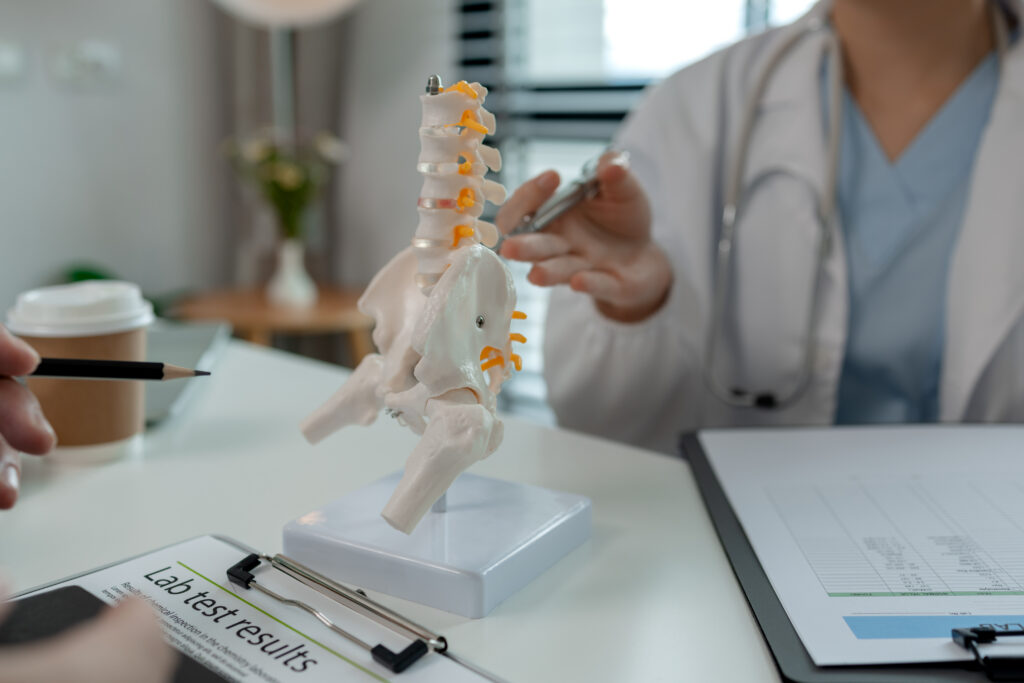
Traditional medical training is excellent at diagnosing disease, prescribing medication, and performing procedures. Those tools are important, but chronic pain doesn’t always respond neatly to them. Many patients have normal scans, normal blood work, and no clear explanation for why they’re still hurting.
By the time they reach a chronic pain clinic, many people have lost confidence in the system, and often in themselves. Simply adding another prescription doesn’t restore that confidence. If anything, it can reinforce the belief that nothing will ever work.
Learning how to treat chronic pain meant learning how to see the whole person, not just the symptoms. It meant recognising that pain is influenced by the nervous system, emotions, stress, beliefs, and behaviour, not just tissue damage.
The Coaching Side of Chronic Pain Care
This is where the “coaching” side of my work emerged. Not coaching in a motivational slogan sense, but in a practical, grounded way. People with chronic pain often need encouragement to keep going when progress feels slow or invisible. They need someone to explain why certain strategies matter, and how small, consistent actions can add up to meaningful change.
Helping someone treat chronic pain often starts with helping them believe that improvement is still possible. That belief opens the door to movement, better sleep, pacing, mindset shifts, and other tools that support healing over time.
Encouragement is not separate from medicine in this context. It is part of the treatment.
What Patients Actually Need When Medicine Isn’t Enough
Patients living with chronic pain usually aren’t looking for miracles. They want to be believed. They want clear explanations. They want guidance they can use in real life, not just instructions that look good on paper.
To truly treat chronic pain, patients need:
- An understanding of what’s happening in their body
- Practical strategies they can apply at home
- Support in rebuilding confidence and function
- A sense of agency in their own recovery
When these elements are missing, even the best medical interventions fall short.

A Better Way to Treat Chronic Pain
A better way to treat chronic pain combines medical knowledge with education, encouragement, and patient ownership. It recognises that healing is rarely a single event, but a process. One that unfolds through understanding, consistency, and support.
This approach doesn’t dismiss medicine. It puts it in the right place, as one part of a larger strategy aimed at restoring function and quality of life. For many patients, this is the first time care has felt coherent, personal, and realistic.
The Long Way Around Was the Right Way
Looking back, the indirect path from farming to medicine was not a detour at all. It taught me patience, resilience, and how uncertainty feels from the inside. Those lessons now inform how I work with people who feel stuck in pain and unsure where to turn next.
If you’ve reached the point where medicine alone hasn’t been enough, that doesn’t mean you’ve failed, or that nothing will help. It may simply mean it’s time for a different approach, one that treats chronic pain by treating the person living with it.
If medicine hasn’t been enough, learning a better way to treat chronic pain can be the next step. Explore the Offpain books and online program to understand this approach and start applying it in your own life.