

When people talk about faith and healing, the conversation often turns spiritual, but there’s also science behind it. Over the years of working with chronic pain patients, I’ve seen something remarkable. Those who have a sense of faith, purpose, or belief in something beyond themselves often experience better outcomes. They cope better, heal faster, and find more peace in the process.
This isn’t wishful thinking. It’s biology in motion. Faith and belief influence how your brain and immune system talk to each other, shaping the very way your body responds to pain. Understanding this connection can help you unlock one of the most underused tools in pain recovery: the healing power of belief.
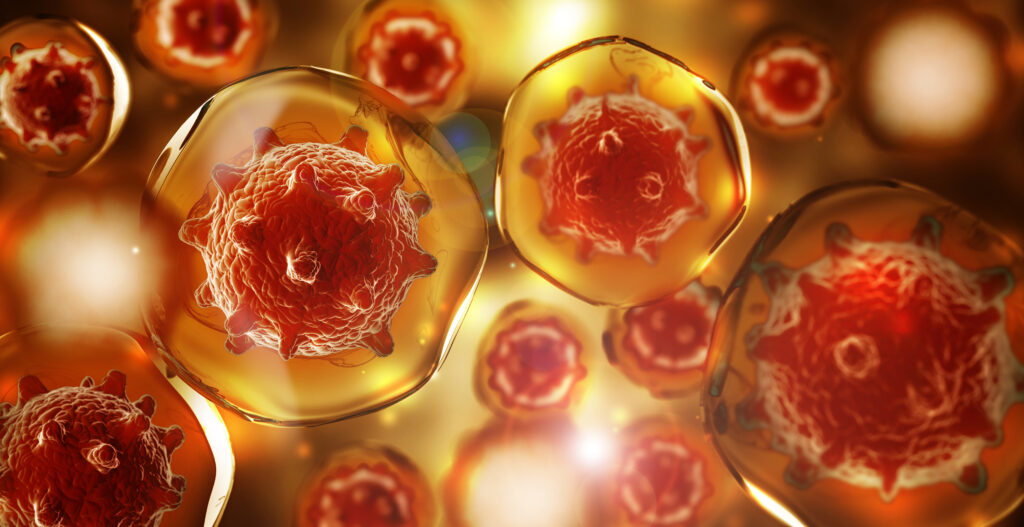
Your Brain and Your Immune System Are Always in Conversation
You may not realise it, but your brain and immune system are in constant communication. This field of study is called neuroimmunology. It looks at how thoughts, emotions, and physical states influence each other.
Think of it this way: when you’re stressed, angry, or anxious, your body doesn’t just register those feelings as “thoughts.” It reacts. Your heart rate increases, your muscles tighten, and your immune system can become overactive. That’s why conditions like eczema or digestive issues often flare up when life feels overwhelming.
Chronic pain works in a similar way. When your stress response is constantly switched on, inflammation rises and your nervous system becomes more sensitive. Pain signals amplify, even when there’s no new injury. The body begins to interpret everyday sensations as threats. This is where the mind-body connection becomes critical to healing.

The Midbrain: Where Emotion Meets Pain
Pain isn’t only physical. It’s also emotional, and both forms live deep in a part of the brain called the midbrain, or limbic system. This is where emotion, memory, and automatic responses are stored. When pain becomes chronic, it’s often the midbrain that’s keeping the alarm going, not the injury itself.
You might consciously know that your back has healed or your knee is fine, yet the pain remains. That’s because the midbrain has learned the pattern of danger and keeps repeating it. It’s like a loop that your conscious, thinking brain can’t simply turn off.
This is also where faith can make a difference. When you pray, meditate, or simply rest your mind in trust, you shift attention away from the analytical brain and engage this deeper system. You teach your body that it is safe again. Over time, that sense of safety can quiet the loop that fuels chronic pain.
Faith, Prayer, and the Parasympathetic System
The body has two main operating systems. One is the sympathetic system, which handles stress, urgency, and survival. The other is the parasympathetic system, which manages rest, recovery, and repair.
When you’re in pain, your sympathetic system is often running nonstop. It’s as if the alarm is always ringing. Faith practices like prayer, meditation, and quiet reflection help to reset that alarm. They slow your breathing, steady your heart rate, and guide your body into a calmer, healing state.
You might have felt this yourself. After a few moments of focused prayer or gratitude, your body softens. Your shoulders drop, your breathing deepens, and your thoughts become quieter. This isn’t imaginary. It’s your parasympathetic system taking over. It tells your brain and immune system, “We’re safe. You can rest now.”
Faith doesn’t have to be religious for this to work. What matters is trust, in life, in something greater than yourself, or simply in the process of healing. That trust creates safety, and safety allows the body to heal.
How Belief Becomes Biology
Belief has power because it changes how the brain interprets signals from the body. When you believe you are supported or guided, the nervous system relaxes. The brain stops scanning for danger and begins to regulate inflammation, heart rate, and hormone levels differently.
You may have heard of the placebo effect, people improving because they believe they’re receiving treatment. That’s not “fake healing.” It’s a demonstration of how belief changes biology. The same pathways that respond to medication also respond to expectation, trust, and faith.
Research continues to show that people who have a sense of purpose, community, or belief system often experience lower pain levels and greater resilience. They still feel pain, but their relationship to it changes. Pain becomes something they can manage rather than something that defines them.
When I talk about faith, I’m not talking about ignoring medical care or thinking your way out of pain. I’m talking about engaging the part of your brain that helps your body rest, repair, and recover, the same part activated by prayer, meditation, or gratitude.

Sleep, Stillness, and Spiritual Rest
Sleep and prayer have more in common than you might think. Both quiet the thinking brain and activate the healing systems below it. When you pray, meditate, or simply breathe deeply, your brain waves slow down in a way that resembles early stages of sleep.
Many people with chronic pain struggle to sleep well. The brain stays alert, scanning for danger. Learning to calm the nervous system before bed, through a short prayer, gentle breathing, or a moment of reflection, helps train the body to let go.
Try a simple evening practice. Take a few minutes before sleep to express gratitude or repeat a calming phrase. Picture your body resting safely, without the need to protect itself. Over time, these small rituals can retrain the brain to associate bedtime with peace instead of pain.
Accountability, Ancestry, and the Power of Connection
Faith is not just an individual experience. It’s also about connection. Having someone to be accountable to, whether that’s a mentor, a friend, or your faith community, reminds you that you’re not alone. Pain isolates people. Faith reconnects them.
Connection to anbcscectors is another powerful idea. Remembering those who came before you, their strength, their endurance, their survival, can be grounding. It places your struggle in a larger story. You come to see that healing isn’t only about the body; it’s about belonging to something greater than yourself.
This sense of connection, accountability, and purpose gives the nervous system a message of safety. When the mind feels safe, the body follows.
Bringing It All Together: Faith as a Pathway to Healing
Faith is not a magic cure. It doesn’t replace medical treatment or remove pain overnight. What it does is shift your biology into a healing mode. It helps quiet the fear, reduce inflammation, and reconnect you with your body’s natural rhythms.
When we understand that faith, prayer, and stillness are not just “spiritual” practices but biological regulators, we start to use them differently. They become part of our treatment plan, right alongside physical therapy, medication, or nutrition.
You don’t have to belong to any particular religion to experience this. Whether it’s through faith in God, trust in the universe, or belief in your own capacity to heal, that act of belief can calm the very system that drives pain.
If you’ve been living with chronic pain, you’ve probably tried everything physical, medications, stretches, treatments, maybe even surgery. What if part of your healing lies not in the body, but in how the mind and spirit work together?
Faith, in whatever form it takes for you, can be one of the most powerful tools for recovery.
If you’d like to learn more about how to reprogram your brain and body for healing, my Off Pain Solutions course is designed to guide you through that process. You’ll discover how faith, focus, and neuroscience can work together to restore calm and give you control back over your life.
Learn how to activate your body’s natural healing systems.
Visit offpain.co to start your journey.