

One of the most discouraging things a person can hear is that their scans look normal when they are clearly struggling. You may walk into a clinic with obvious discomfort, but when the MRI or X-ray comes back clean, the room suddenly becomes quiet. The implication — sometimes spoken, sometimes not — is that if everything looks normal, the pain must not be real.
I want to reassure you of something right from the start:
If you have normal tests but still in pain, your pain is real. Full stop.
I meet people every week who find themselves in this position. On the surface, nothing appears wrong. On paper, they “should” be fine. But their lived experience tells a much different story. They cannot walk comfortably, or sit easily, or sleep through the night. They are exhausted from trying to explain what their body is doing when the scan report says everything is perfectly ordinary.
So let us talk about what is actually happening. Because having normal tests but still in pain is not unusual — and it has very real explanations that your scans simply cannot reveal.
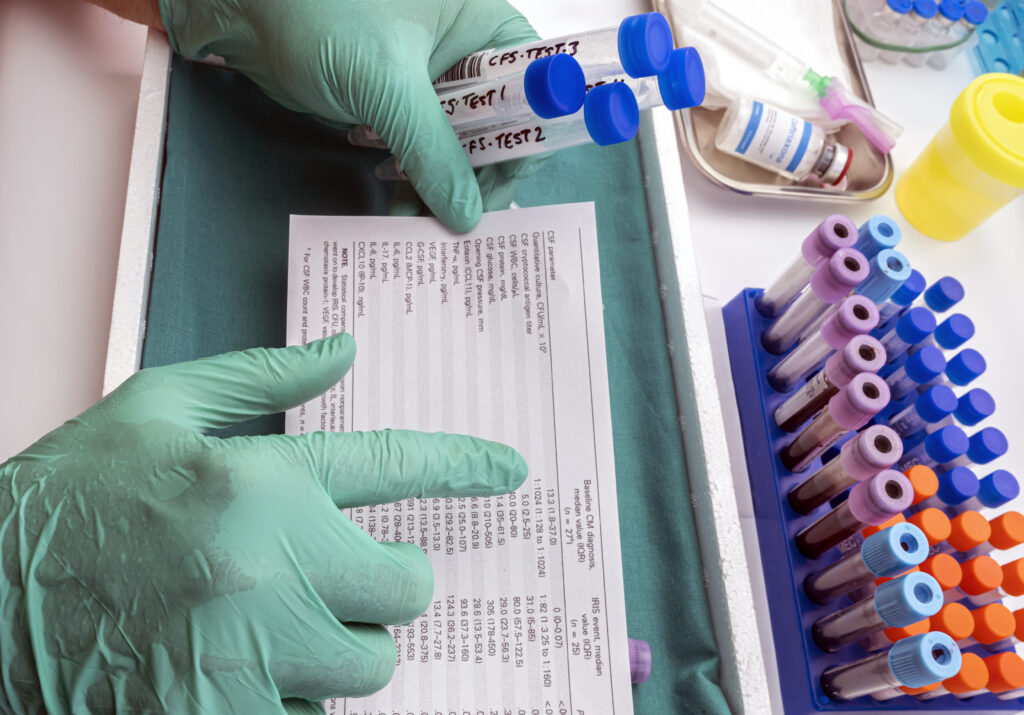
Why Normal Tests Do Not Tell the Whole Story
When I say that a patient’s test results are normal, it means something very specific: nothing is structurally damaged. The joint is not broken, the ligament is not torn, and the tissue is not inflamed in a way that shows up on imaging.
But here is the truth:
You can have normal tests but still be in pain because pain is not only about structure.
It is also about how your nervous system and immune system are behaving.
This is where traditional testing reaches its limit. It shows bones, tissues, and joints. It does not show the sensitivity of nerves, the chemical environment around them, or the messages your brain is receiving.
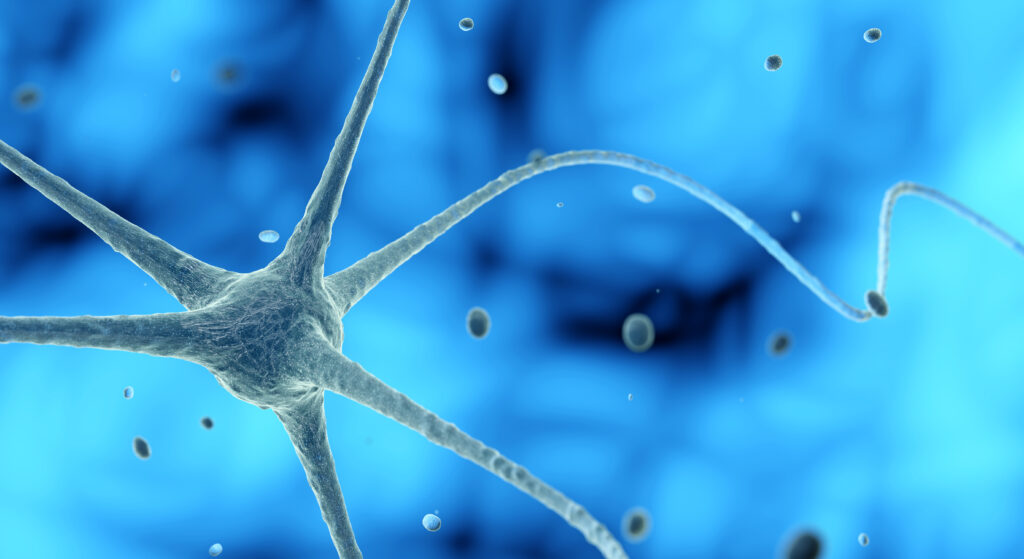
When the Nervous System Becomes Ultra-Sensitive
Take the knee, for example. There is a dense network of nerve endings in and around the joint. After an injury or period of irritation, those nerves sometimes remain on high alert long after the tissue has healed.
This is why you may have normal tests but still in pain:
the nerves are firing danger signals even though the physical injury itself is no longer active.
This can happen after a sprain, surgery, fall, or even repeated strain. Over time, the nervous system can become overly protective, sending pain messages long after the initial trigger is gone. Conditions like chronic regional pain syndrome are classic examples of this — the tissues are fine, but the signals feel anything but fine.

The Immune System Often Follows the Nervous System
What many people do not realise is that the immune system is closely linked with the nervous system. When nerves stay excited or irritated, the immune system may respond as if there is actual tissue damage.
Cytokines and other inflammatory chemicals can be released even when the injury has healed. The immune system behaves as though it needs to protect you, adding a second layer of sensitivity.
This creates a loop:
- The nerves signal danger
- The immune system reacts
- The reaction increases sensitivity
- The brain perceives pain
And so it continues — even if your scans show absolutely nothing abnormal.
This is another reason people have normal tests but still in pain. The problem is not visible on imaging, but it is absolutely happening inside the body.
Why Painkillers Offer Relief but Not a Solution
Pain medication can help, but not because it corrects the underlying issue. What it often does is provide what I call a window of opportunity. When medication settles the immediate discomfort, you can move more freely, breathe more easily, and engage in activities that help retrain the nervous system.
Pills ease the symptoms.
Healing happens when the nervous system learns a new pattern.

How Healing Actually Happens
If you have normal tests but still in pain, the focus of treatment shifts from repairing tissue to calming and retraining the system. This often involves several components working together.
Mindset and Movement
Your mindset affects how your nervous system interprets movement. Fear, frustration, and stress amplify sensitivity. Calm, confidence, and gradual exposure reduce it.
Healing does not require perfect thinking. It just requires an attitude of gentle willingness.
Mirror Therapy
This is a fascinating and effective tool for recalibrating the brain.
In mirror therapy, you move both limbs while a mirror reflects the healthy one, giving the illusion that the painful limb is moving normally. The brain sees this and begins to update its understanding of the affected limb. Over months of repetition, the brain often “relearns” normal movement patterns.
You are not tricking the mirror. You are retraining your brain.
Stress and Sleep Regulation
Chronic pain almost always increases stress, and stress disrupts sleep. Both keep the nervous system in a protective mode. Learning to manage stress and improve sleep is essential for restoring balance.
Nutrition
Supporting the immune system through proper nutrition helps settle inflammation and improve the body’s internal environment for healing.
Healing from this type of pain is rarely fast. It is a steady process of sending new, consistent messages to the nervous system. But over time, these messages add up.
A Real-World Example of Persistence
There is a remarkable story about a Scandinavian woman who struggled with chronic knee pain. She began ice swimming — not once, not twice, but regularly — and eventually became a world champion. The cold water reduced her pain in the moment, and the repeated exposure gradually retrained her whole system.
It was not quick. It was not easy.
But it worked because her nervous system eventually accepted a new message.
This is why people with normal tests but still in pain should never lose hope. The body can learn. The brain can change. Your system can calm down.
You Are Not Imagining Your Pain — and You Are Not Alone
If you have normal tests but still in pain, please hear this clearly:
You are not broken. You are not exaggerating. You are not “making a fuss.”
You are living inside a nervous system that needs guidance, reassurance, and retraining — not dismissal.
If this resonates with you, you do not have to navigate it by yourself. You are welcome to explore my coaching, my online programme, or the educational tools available through Off Pain Solutions. There is real hope for real healing, even when your scans have nothing to show for it.
You deserve relief. And you deserve to feel understood.
If this feels familiar, you do not have to work through it alone. Explore my books, my online programme, or the resources at Off Pain Solutions to begin your next step toward relief.