
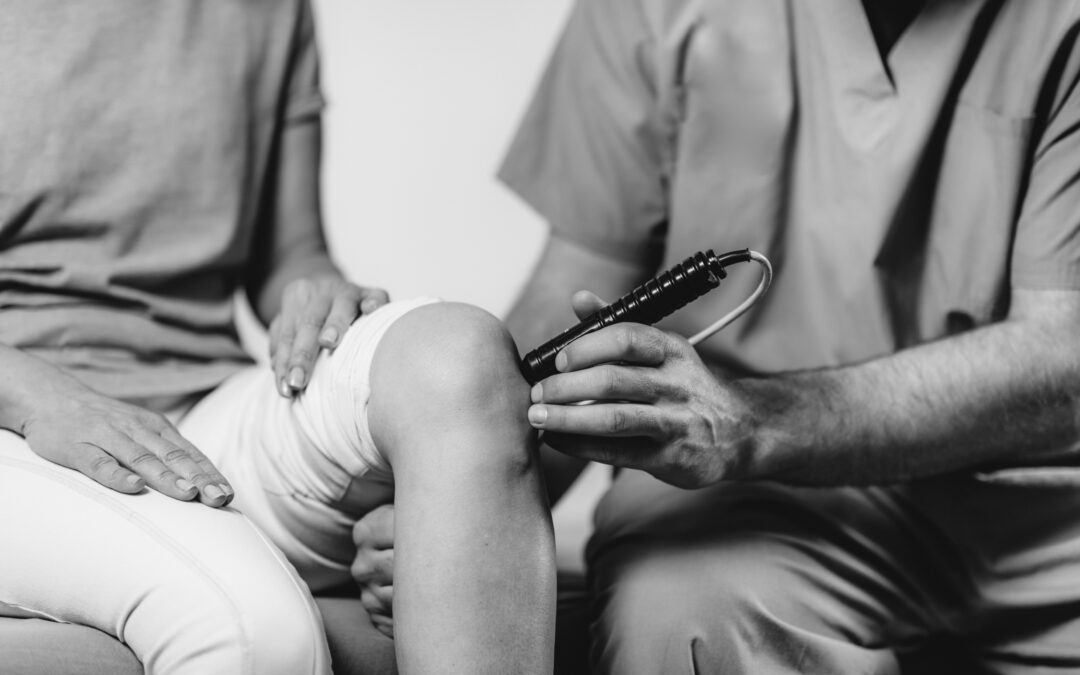
Every doctor has a moment that changes the course of their career — a moment that isn’t planned, expected, or even welcome at first. Mine arrived quietly, tucked inside a rural Canadian hospital where chronic pain patients were travelling hundreds of kilometres for help that barely existed. I didn’t set out to become a chronic pain specialist. I was an anaesthetist, content with the precision and predictability of the operating theatre. But one experience — one breakthrough — shifted the way I saw pain, people, and my role as a physician.
And once you see the truth about chronic pain, you can’t walk away from it.
When Anaesthesia Led Somewhere I Never Expected
Back then, chronic pain wasn’t neatly packaged as a specialty. There were no streamlined programmes, no dedicated clinics in every city, no team of therapists waiting down the hall. In the places I worked, anaesthetists were the ones tapped for chronic pain simply because we knew the nervous system, we understood injections, and we weren’t afraid of complex puzzles. But I still considered it something on the edges of my work — not the centre of it.
That changed the moment I stepped into that rural pain clinic.
I’d just arrived in Canada, still trying to find my footing, when I was told something that would redirect my entire career: “We’ll hire you, but only if you also work in our chronic pain clinic.” It wasn’t negotiable. And while it felt abrupt at the time, it turned out to be the most important push I could have received.
I agreed on one condition — that they provide real mentoring. Not a manual. Not a brief orientation. Actual guidance. And in that tiny hospital, tucked miles away from any major medical centre, I found one of the best mentors I could have asked for.
Learning to Listen — Really Listen
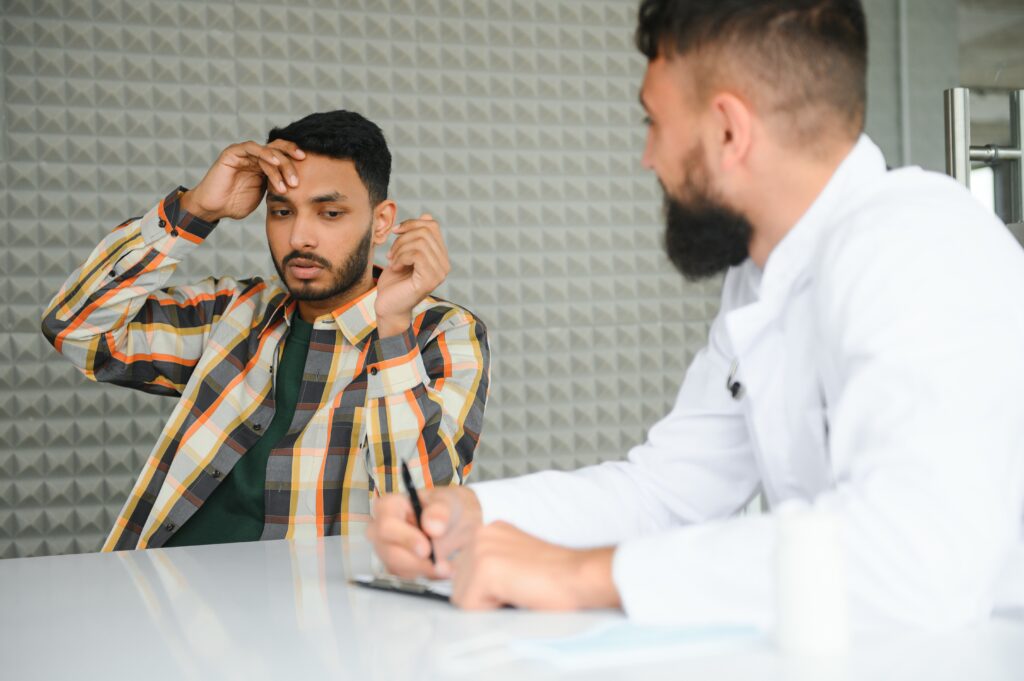
My mentor taught me that chronic pain wasn’t about the procedure. It wasn’t about finding the “right spot” for an injection or the “perfect” medication on a pain scale. It was about listening to the whole story — the biology, the emotions, the limitations, the fear, the exhaustion, the history of being dismissed or misunderstood.
When a case was complicated — and rural hospitals have no shortage of them — I would arrive at his door carrying the patient’s entire journey. He never rushed and never made me feel incompetent. He would simply say, “Tell me the story,” and we would navigate it together.
Many patients needed straightforward treatment: an epidural steroid injection, a joint injection, or a nerve block. But others had conditions like fibromyalgia or migraines, woven with emotional strain, sleep problems, trauma, and years of feeling unheard. In a big city, these patients might have had a team. Out there, it was just us.
Those early conversations taught me more about pain than any textbook ever could.

The Reality of Rural Pain: People Travelling 1,000 Kilometres for Hope
What struck me most wasn’t the complexity of the cases — it was the distance people travelled just to get help from a chronic pain specialist. Some drove 500 kilometres. Others flew. A few came from over 1,000 kilometres away because there was no one else to see them.
Imagine living in constant agony with no specialist within driving distance, no physiotherapist trained in chronic pain, no psychologist who understands pain science, and no programme or clinic to turn to. Just silence, and nothing resembling real support.
So when patients showed up after that kind of journey, I felt a responsibility that went far beyond my job description. If someone was going to travel across half of Canada to see me, I was going to make every minute count.
They showed their gratitude the way rural communities do — not with applause, but with gifts from their lives. Jam. Fresh fish. Homemade gloves. One woman knitted me a pair after treatment restored enough function in her hands for her to work with yarn again. That was a breakthrough moment for both of us.
You don’t forget gifts like that. You don’t forget the stories that come with them.
My Own Pain Became a Teacher Too
Somewhere along the line, I became a chronic pain patient myself. Not forever, not catastrophically, but long enough to feel what my patients were talking about — the drain, the uncertainty, the frustration of being told your tests look normal when your body feels anything but.
Pain changes you. It reshapes your thinking. It disrupts sleep, mood, appetite, and motivation. And unless someone has lived through it, they simply can’t understand the emotional cost attached to the physical discomfort.
Experiencing pain firsthand gave me more than empathy. It gave me a framework for explaining chronic pain in a way that makes sense to people who’ve been suffering for years. It sharpened my intuition, deepened my patience, and taught me how to guide people toward healing without minimising the complexity of what they’re experiencing.
The Undeniable Truth: Rural Patients Are Still Being Left Behind
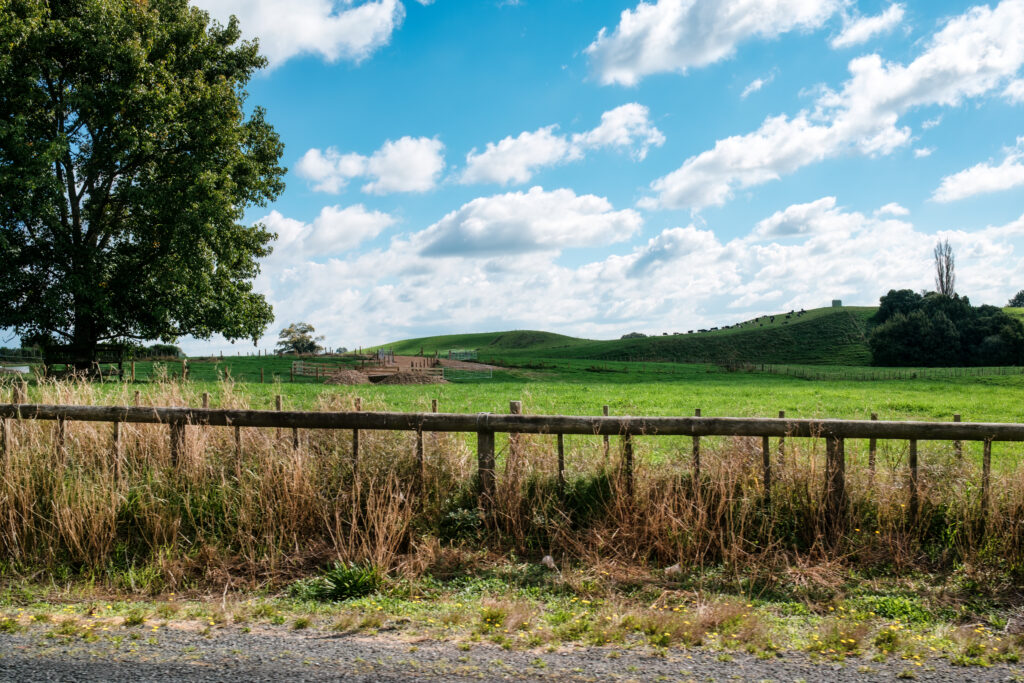
Chronic pain patients in Canada face enormous systemic challenges, but rural patients face something even harder — absence. Long waitlists in cities are bad enough, but in rural areas, there often isn’t a list at all because there isn’t a clinic. No chronic pain specialist. No one to refer to.
People wait for years while their pain goes unanswered. Along the way, they lose function, lose work, and slowly lose the parts of life that once felt possible. For many, the hardest loss of all is hope.
And to me, that isn’t acceptable.
That was the breakthrough moment. Not dramatic, not cinematic — just the realisation that access to a chronic pain specialist shouldn’t depend on your postal code. If the healthcare system couldn’t reach these people, then I needed to create something that could.
Building Tools for People Who Can’t Access a Specialist
That’s how Off Pain Solutions was born — not from ambition, but from necessity. Rural patients needed access to science-based, practical chronic pain care they could use at home, without waiting years for an appointment.
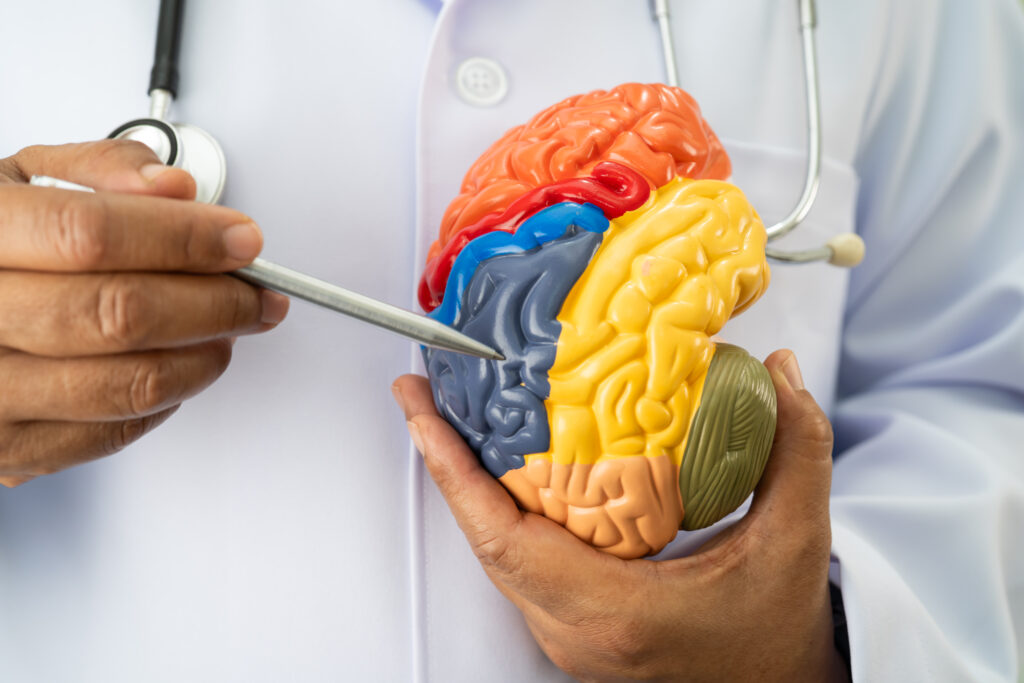
I began pulling together everything I’d learned from thousands of patients: how the brain and nervous system shape pain, why pain can persist even when scans look “normal,” and how movement, sleep, stress, and long-held beliefs quietly influence pain levels day to day. It meant teaching people how to regulate their nervous system, pace themselves, and gradually rebuild function, while using tools like cold, heat, nutrition, and mindset in ways that actually support healing. At the heart of it all was learning how to train the brain out of unhelpful pain patterns and back toward safety and control.
This became a framework — one that doesn’t require expensive equipment, endless appointments, or a specialist down the street. It just requires knowledge, consistency, and someone willing to believe they can get better.
Why I Still Do This Work
Becoming a chronic pain specialist wasn’t something I planned. It wasn’t something I even wanted at first. But it became the work that made me feel most human, most useful, most connected to the people who genuinely needed support.
After years of treating pain in hospitals, clinics, and communities across Canada, one truth stands out: effective chronic pain care isn’t about fancy facilities or cutting-edge machines. It’s about understanding people, giving them the right tools to reclaim their lives, and restoring hope where the system has too often offered silence.
That’s the breakthrough that changed my life — and the reason I’m committed to helping others find theirs.
Ready for Your Breakthrough?
If chronic pain has taken over your life and you’ve been told to “wait it out,” there is another way. You don’t need to live in a major city or fight for a specialist appointment to start healing. My Off Pain Solutions online course gives you the tools, guidance, and understanding you need to begin retraining your pain — from home, at your pace, with real science and real support.
If you’re ready to take back control, start your Off Pain journey today.