

If there’s one truth I’ve learnt working with thousands of people in pain, it’s this:
Your emotions drive the bus.
And depending on the day, the weather, and whatever life has thrown at you, that bus can be driven beautifully… or it can career straight off a bridge.
I say this with some authority, because I’ve been the idiot behind the wheel going far too fast, far too angry, and far too distracted. I’m lucky I didn’t die. Most people don’t literally end up off the bridge, but they end up somewhere just as unhelpful — stuck on a dirt road, miles away from where they intended to go, wondering how the hell it all went sideways.
Chronic pain works exactly like that.
It doesn’t take much for the wheels to wobble.
But here’s the good news:
you can prepare your mind and your life so the bus actually gets you to your destination — what I call your pain-free nirvana.
You don’t get there by accident.
You get there by planning the trip.
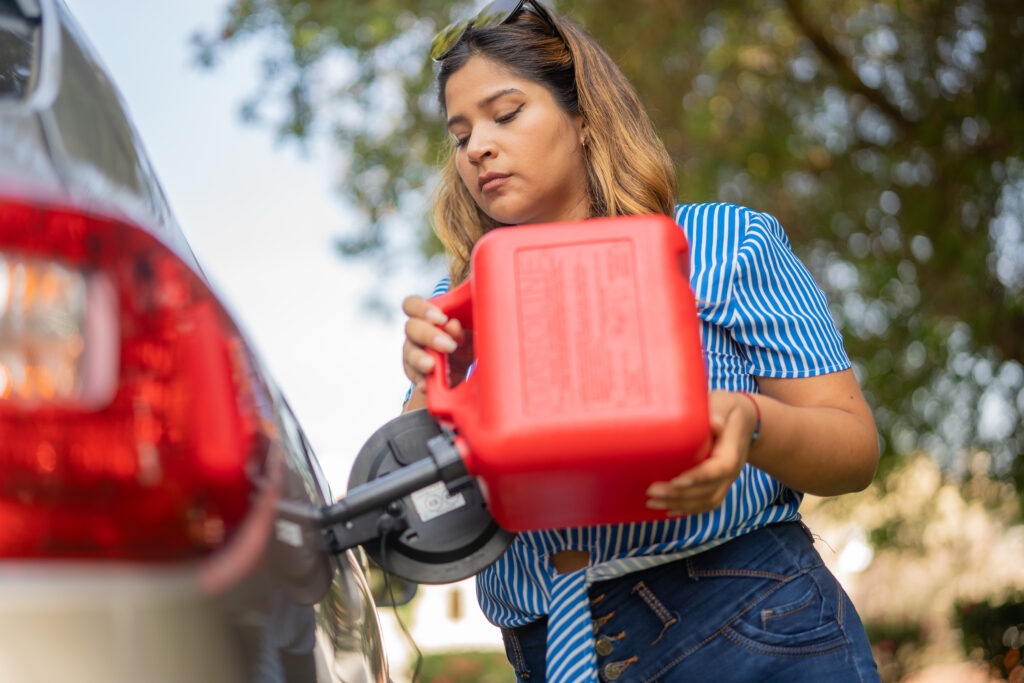
Fuel First: You Cannot Drive on Empty
Before you worry about maps, passengers, or potholes, you need fuel. Your body is not designed to run on fumes. Sleep, nutrition, gentle movement, and pacing — these are your petrol. People try to skip this part because it’s not glamorous, but you simply cannot expect your system to heal, calm down, or function if your tank is dry.
If you burn yourself out, overdo everything, push yourself past capacity, or refuse to rest, your bus is going to sputter, stall, and make that sad choking sound we all know too well.
So you fill the tank.
Every day.
Small things.
Repeated.
Those little routine choices are what get you further down the road.

Every Good Trip Needs a Navigator
Once the bus has fuel, you need directions — otherwise you’ll drive aimlessly, get lost, or end up back where you started.
This is where guidance comes in. My books, my course, and the framework I teach aren’t magic tricks; they’re your navigator. They help you choose the route that gets you the results with the least wasted effort. You may still have detours, punctures, or days when you swear at the sky… but you won’t be travelling blind.
Chronic pain recovery requires a system.
A plan.
A structure that cuts through the overwhelm.
Your navigator keeps you focused when your brain wants to wander into fear, frustration, or catastrophising. It keeps you accountable. It tells you, “No, don’t take that dirt road again; you know where it leads.”

Tools and People: Your Bus Doesn’t Travel Alone
No one goes on a long road trip with nothing in the boot.
You’ll need tools.
And you’ll need people.
Tools might be literal — crutches, a heat pad, gels, braces. They might be educational — books, worksheets, exercises, breathing techniques. And, they might be the lessons you pick up from the course, the stories that show you you’re not alone, or the micro-skills that help you reset your emotions when they start grabbing the steering wheel.
Then there are your people.
Think of stopping at a bus stop and asking yourself, Who’s coming with me on this journey? And, who actually helps me stay on the road?
Maybe it’s your partner.
Maybe it’s your physio.
Maybe it’s your GP.
Maybe it’s a neighbour who watches your dog when you’re wiped out.
Maybe it’s the yoga teacher who reminds you to breathe.
Chronic pain recovery journey is a team effort.
And the team is rarely who you expect.
You’re not picking celebrities; you’re picking the people who genuinely support your wellbeing and help you do the work. The trip is long — you need the right passengers.
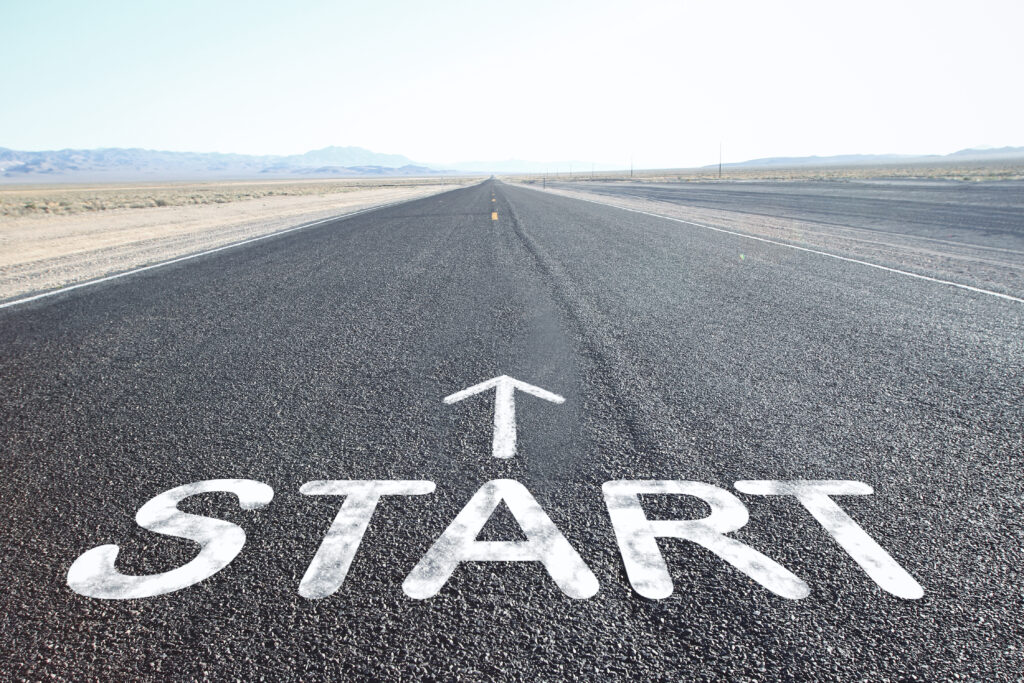
Set Your Starting Point: Pain Recovery Needs Measurement
Before you depart, you take stock.
What’s the depth of your pain right now?
How well are you sleeping?
What are your emotions doing?
How much can you move?
How are you eating?
Where is your stress sitting?
This is not about judgment. It’s about truth.
For instance, you cannot know which direction to drive unless you know where you’re starting. So, if you want to move toward less pain, you need to record what your life actually looks like today — not what you hope it looks like.
A journal, diary, or simple notes app is your first piece of road-trip documentation. Eventually, these measurements become your compass, your milestones, and your encouragement when you feel like nothing is changing. Because often, change is quiet before it becomes loud.
Quick Access to Your Support Team
Imagine breaking down on the side of the road with no phone signal, no tools, and nobody who knows where you are. It’s a nightmare.
Too many people live their chronic pain recovery journey that way — disconnected, disorganised, hoping someone magically shows up to help.
Make it easy on yourself.
Have your doctor’s number accessible.
Know where your physio works.
Keep your tools in one place.
Record what helps and what doesn’t.
Make your support team easy to reach — emotionally and practically.
When you think of this journey like a road trip, you realise how silly it would be to set off without a single contact number written down. Yet people try to recover from chronic pain without any sense of structure at all.
Planning doesn’t constrict you.
It protects you.
This Journey Is Yours — but You Don’t Walk It Alone
When you see your chronic pain recovery journey as a long, meaningful road trip, something shifts. Instead of feeling trapped by your symptoms, you begin to understand that you are in the driver’s seat — even when the weather is terrible, or the engine misbehaves.
You prepare your mind, plan your route, and bring the fuel, tools, and people who make the road manageable. This is not about perfection. It’s about intention. So, take small, steady steps, make thoughtful adjustments, and be willing to keep going even when you hit a pothole or lose your temper for a moment.
You start exactly where you are and record it honestly, giving yourself a clear foundation to work from, then you build a system that supports you every step of the way.
Then, slowly but surely, you drive your bus exactly where you want to go — toward more freedom, more function, and a life that doesn’t revolve around pain.
That’s the journey.
And you’re already on it.
If you’d like to take a deeper journey on your path to healing, take a look at my online course. Get the tools, strategies, and guidance you need to live your best life.